How Small Businesses Can Generate Consistent Leads Without Increasing Ad Spend
- marketbenchers
- July 16, 2026
- Social Media
- 0 Comments
Growing a small business has never been easy, but today’s competitive digital landscape presents an even greater challenge. As advertising costs continue to rise across platforms like Google and social media, many business owners assume that increasing their marketing budget is the only way to generate more leads. However, that’s rarely the most sustainable solution.
The truth is that consistent lead generation isn’t simply about spending more money—it’s about making smarter use of the resources you already have. By improving your website, understanding your customers, creating valuable content, and nurturing relationships, you can build a reliable stream of qualified leads without increasing your advertising spend.
This guide explores practical, cost-effective strategies that help small businesses attract, engage, and convert potential customers while maximising the return on their existing marketing efforts.
Why Increasing Ad Spend Isn’t Always the Right Solution
When leads begin to slow down, the instinctive response is often to invest more in paid advertising. While paid campaigns can deliver immediate visibility, they rarely solve underlying marketing issues.
Rising Advertising Costs Reduce Profitability
Digital advertising has become increasingly competitive. As more businesses compete for the same audience, the cost per click and customer acquisition continues to climb. Small businesses with limited budgets often find themselves paying more for fewer qualified leads.
This creates a cycle where marketing becomes increasingly expensive without delivering proportionate growth.
Paid Ads Stop Working When the Budget Stops
Paid advertising offers temporary results. The moment you pause your campaigns, your visibility declines, and so does your lead flow.
In contrast, organic marketing assets such as SEO-optimised content, customer referrals, email lists, and a high-converting website continue generating enquiries long after they’ve been created. These long-term assets provide ongoing value without requiring constant investment.
Build a Lead Generation System Instead of Buying Leads
Rather than relying solely on paid campaigns, successful small businesses focus on building a marketing ecosystem where multiple channels work together.
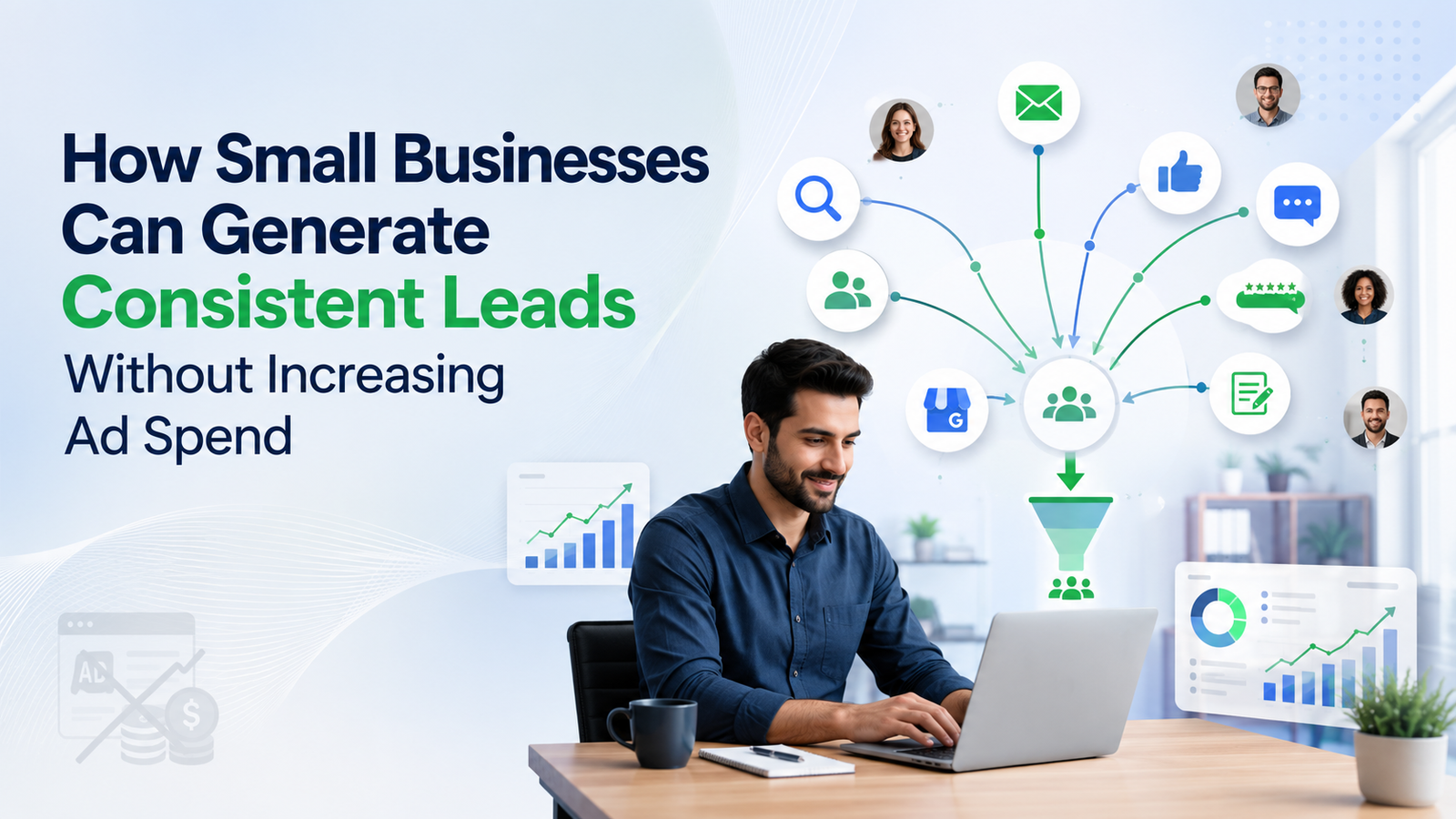
A strong lead generation system includes:
- A website designed to convert visitors.
- Helpful content that answers customer questions.
- Search engine optimisation (SEO).
- Email marketing.
- Customer referrals.
- Organic social media engagement.
Together, these channels create a predictable flow of enquiries while reducing dependence on advertising budgets.
Understand Your Ideal Customer Before Trying to Attract More Leads
Generating more traffic won’t help if you’re attracting the wrong audience. Before investing time in marketing activities, take a step back and clearly define who your ideal customer is.
Create an Ideal Customer Profile
An Ideal Customer Profile (ICP) helps you focus your marketing on people most likely to purchase your products or services.
Consider factors such as:
- Age and demographics
- Industry or profession
- Business size (for B2B companies)
- Common challenges
- Goals and aspirations
- Buying behaviour
- Preferred communication channels
The more specific your understanding, the easier it becomes to create content and offers that genuinely resonate.
Map the Customer Journey
Every buyer moves through different stages before making a purchase.
These generally include:
- Awareness – recognising a problem.
- Consideration – researching possible solutions.
- Decision – comparing providers and making a purchase.
Understanding each stage allows you to deliver the right message at the right time. Educational blog posts may attract new visitors during the awareness stage, while case studies and testimonials can encourage decision-stage prospects to enquire.
Identify Where Leads Are Being Lost
Many businesses focus solely on attracting more visitors while overlooking opportunities to improve existing conversion rates.
Review your marketing funnel and ask:
- Are visitors leaving your website quickly?
- Are contact forms too long?
- Is your call-to-action clear?
- Are customers abandoning enquiries before completion?
Even small improvements at these stages can significantly increase the number of qualified leads without attracting additional traffic.
Optimise Your Website to Convert Existing Traffic
Your website is often the first impression potential customers have of your business. If visitors struggle to navigate your site or understand your value proposition, they are likely to leave without taking action.
Fortunately, improving conversions doesn’t require more advertising—it requires a better user experience.
Write Clear, Benefit-Focused Headlines
Visitors decide within seconds whether they should remain on your website.
Instead of focusing solely on features, explain how your products or services solve customer problems.
For example, rather than saying:
“We Offer Digital Marketing Services.”
Consider:
“Generate More Qualified Leads Through Data-Driven Digital Marketing.”
Benefit-focused messaging immediately communicates value and encourages visitors to continue reading.
Strengthen Your Calls-to-Action
Every page should guide visitors towards a clear next step.
Effective calls-to-action include:
- Request a Free Quote
- Book a Consultation
- Download Our Guide
- Schedule a Demo
- Contact Our Team Today
Avoid vague buttons like “Submit” or “Click Here,” which provide little motivation.
Simplify Your Contact Process
Potential customers should never struggle to reach you.
Improve accessibility by:
- Using short enquiry forms.
- Displaying contact information prominently.
- Adding click-to-call buttons for mobile users.
- Integrating WhatsApp or live chat where appropriate.
Reducing friction increases the likelihood that visitors will become genuine enquiries.
Build Trust Through Social Proof
Trust plays a crucial role in purchasing decisions.
Demonstrate credibility by including:
- Customer testimonials.
- Verified online reviews.
- Case studies.
- Client logos.
- Industry certifications.
- Awards and recognitions.
When prospects see evidence that others have had positive experiences, they feel more confident about choosing your business.
Improve Website Speed and Mobile Experience
A slow-loading website can drive potential customers away before they even explore your services.
Ensure your website:
- Loads quickly.
- Is mobile responsive.
- Uses intuitive navigation.
- Features readable fonts and clean layouts.
- Offers a seamless browsing experience across all devices.
Search engines also reward websites that deliver excellent user experiences, making these improvements beneficial for both SEO and lead generation.
Final Thoughts!
By understanding your audience and optimising the way your website converts visitors, you’ve already laid the foundation for sustainable lead generation. However, attracting high-quality prospects consistently requires more than an effective website alone.
The next step is creating valuable content, nurturing relationships through email marketing, strengthening your local presence, and using organic channels to build long-term visibility all without increasing your advertising budget.
Getting traffic but not leads? It may be time to audit your website experience and uncover what’s stopping visitors from becoming customers
Related Posts
- marketbenchers
- June 25, 2026
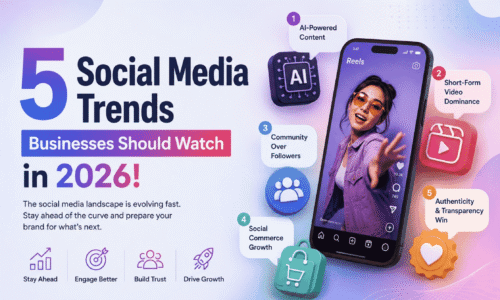
5 Social Media Trends Businesses Should Watch in 2026!
Social media continues to reshape the way businesses communicate, market, and grow. What starte ..
- marketbenchers
- September 3, 2024
Social Media Marketing for Small Businesses: Tips for Success!
Social media is no longer just about posting content—it’s about building trust, attracting ..