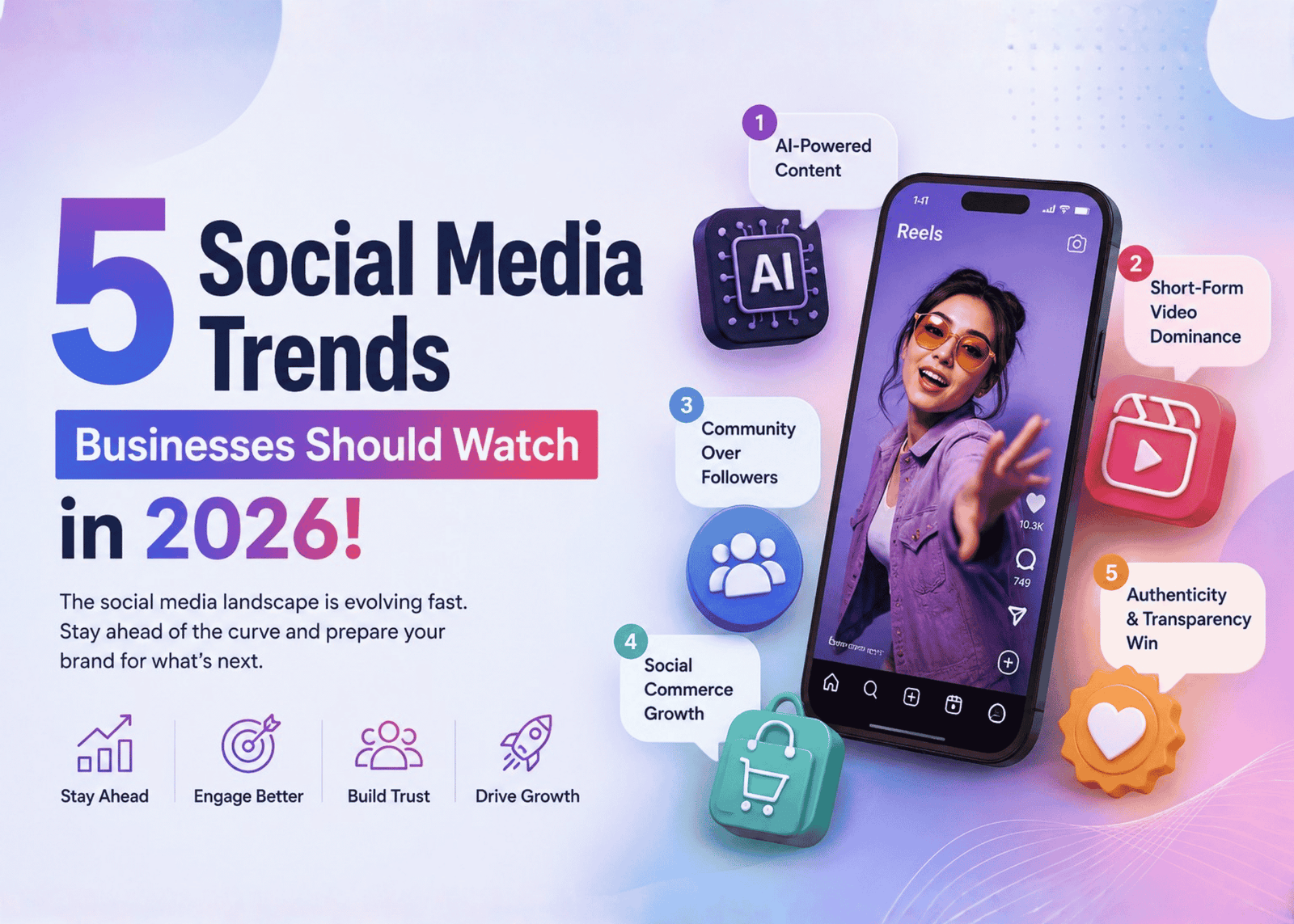
Building a Strong Brand Presence on Emerging Social Media Platforms
- marketbenchers
- September 3, 2024
- Uncategorized
- 0 Comments
Social media is evolving faster than ever. Platforms rise, audiences shift, and the way people interact with brands continues to change. While established networks still command attention, emerging social media platforms are creating new opportunities for businesses to connect with audiences in more meaningful and authentic ways.
For brands, this presents both a challenge and an opportunity.
The challenge is keeping pace with changing digital behaviors without spreading resources too thin. The opportunity is gaining visibility in spaces where competition is still developing and audience engagement often feels more organic.
Businesses that recognize these shifts early can establish stronger relationships, create loyal communities, and build sustainable growth before platforms become saturated.
In this guide, we explore how brands can build a powerful presence on emerging social media platforms and turn early adoption into long-term business impact.
Why Emerging Social Media Platforms Matter for Brand Growth
Consumer attention is no longer concentrated in one or two channels. Users are exploring niche communities, interactive content formats, and platforms that align with their interests and values.
This shift creates a valuable opening for brands.
Emerging platforms often provide:
- Greater organic reach
- Lower competition
- Faster community building
- Increased visibility for creative content
- Opportunities to shape audience perception early
Unlike mature platforms where competition for attention can be intense, newer platforms frequently reward originality and authentic engagement.
However, simply creating an account and posting content is rarely enough.
Success begins with choosing the right platform.
Choose Platforms Strategically Instead of Following Trends
One of the most common mistakes businesses make is trying to establish a presence everywhere at once.
A successful social media strategy starts with understanding where your audience spends time and how they engage.
Before entering a new platform, ask:
- Who is the primary audience?
- What content formats dominate the platform?
- Does the platform support your business objectives?
- Can your team consistently create platform-specific content?
For example, a B2B service provider may prioritize professional conversations and educational content, while a lifestyle brand may benefit more from visual storytelling and creator partnerships.
Rather than chasing every trend, focus on platforms that naturally align with your audience and brand goals.
Quality of presence always outperforms quantity of channels.
Establish a Consistent Brand Identity Across Every Platform
As brands expand into emerging channels, maintaining a recognizable identity becomes essential.
New platforms may require different content styles, but your core brand should remain consistent.
Your audience should immediately recognize:
- Your visual identity
- Your communication style
- Your messaging themes
- Your values and positioning
Consistency builds familiarity.
When customers encounter your content across multiple touchpoints, they begin associating your brand with trust and reliability.
At the same time, consistency should not become rigidity.
Brands must adapt their delivery while preserving their identity.
For example, educational content can become short-form videos on one platform and discussion-led posts on another while maintaining the same voice and messaging.
The goal is not duplication.
The goal is recognition.
Build Content for the Platform—Not for Convenience
One of the fastest ways to lose momentum on an emerging platform is reposting identical content from existing channels.
Each platform develops its own culture, expectations, and user behavior.
Content that performs well elsewhere may fail when transferred without adaptation.
Strong brands approach content with a platform-first mindset.
Understand Native Content Behavior
Study how audiences interact.
Observe:
- Posting styles
- Content length
- Engagement patterns
- Audience expectations
Create Content That Delivers Value
Effective social media content usually falls into three categories:
Educational – Teach, explain, and provide useful insights.
Entertaining – Capture attention and create memorable experiences.
Promotional – Showcase offerings without overwhelming audiences.
The most successful brands balance all three.
Develop a Sustainable Content Rhythm
Consistency matters more than volume.
Publishing regularly creates familiarity and gives audiences reasons to return.
Create a realistic content calendar that supports experimentation without sacrificing quality.
Prioritize Community Before Audience Growth
Many businesses still measure social media success by follower counts.
But emerging platforms reward participation more than passive reach.
Building a strong brand presence means creating conversations—not broadcasting messages.
Community-driven brands focus on:
Encouraging Interaction
Ask questions.
Invite opinions.
Create opportunities for participation.
People engage more deeply when they feel included.
Responding Consistently
Replies, comments, and conversations influence how audiences perceive accessibility and trust.
Engagement should not end once content is published.
Collaborating with Creators
Micro-creators and niche communities often generate stronger trust than broad promotional campaigns.
Strategic collaborations can accelerate credibility and audience growth.
Listening to Feedback
Social platforms provide immediate insight into audience interests.
Use comments, discussions, and reactions to refine messaging and improve future campaigns.
Strong communities become long-term advocates.
And advocacy creates sustainable growth.
Use Analytics to Strengthen Performance
Building a presence without measurement turns social media into guesswork.
Data transforms activity into strategy.
As your brand grows across emerging platforms, track metrics that reflect actual business outcomes.
Focus on indicators such as:
- Engagement rate
- Reach and visibility
- Shares and saves
- Audience growth
- Website traffic
- Conversion performance
Not every viral post creates value.
A smaller audience with stronger engagement often produces better long-term results.
Establish regular reporting cycles and use insights to improve content decisions.
Experiment.
Measure.
Refine.
Repeat.
Common Mistakes Brands Make on Emerging Platforms
Building visibility takes time.
Avoid these common pitfalls.
Treating Every Platform the Same
Users behave differently across platforms.
Content should reflect platform expectations.
Prioritizing Trends Over Strategy
Not every trend supports business objectives.
Participate selectively.
Expecting Immediate Results
Community building requires consistency and patience.
Ignoring Audience Feedback
Social media is a two-way channel.
Listening often creates stronger outcomes than publishing more content.
Abandoning Platforms Too Early
Emerging channels require experimentation before meaningful patterns appear.
Growth rarely happens overnight.
Future Trends Shaping Social Media Branding
The next generation of social media will likely become more community-led, personalized, and interactive.
Brands preparing for the future should monitor:
AI-Assisted Content Creation
Automation will support faster production and personalization.
Creator-Led Ecosystems
Creators will continue influencing purchasing decisions and brand trust.
Interactive Experiences
Audiences increasingly expect participation rather than passive consumption.
Authentic Brand Communication
Users are rewarding transparency and meaningful engagement over polished messaging.
The brands that succeed will balance technology with human connection.
A Simple 30-Day Action Plan to Get Started
If your business wants to begin building presence on emerging platforms, start with a focused approach.
Week 1: Research
- Identify audience behavior
- Evaluate platform fit
- Define objectives
Week 2: Build
- Create branded assets
- Develop content themes
- Prepare launch content
Week 3: Launch
- Publish consistently
- Engage actively
- Monitor audience response
Week 4: Optimize
- Analyze performance
- Identify high-performing formats
- Refine your strategy
Small experiments often create the biggest breakthroughs.
Final Thoughts
Building a strong brand presence on emerging social media platforms is not about being everywhere first.
It is about being intentional.
Brands that succeed understand their audience, adapt their content, build communities, and continuously optimize their approach.
The social media landscape will continue evolving.
The businesses that remain visible tomorrow will be the ones willing to learn, experiment, and engage today.
Early adoption alone does not create growth.
Strategic execution does.
Ready to Future-Proof Your Social Media Strategy?
Start identifying the platforms your audience is adopting, create meaningful content, and begin building relationships that deliver long-term business growth.